THE DREAM ofMAGURO.

Dreams of Tuna.

Would it surprise you to hear that Okinawa is an "island of tuna"?

Every seafood professional knows it.

Okinawa ranks third in all of Japan for fresh, unfrozen tuna landings.

A tuna caught this morning finds its way to your dinner table tonight.

That is everyday life on this island.

Surse seine nets cannot be used around coral reefs.

So, we catch them with a single line, one by one.

And we inspect each fish individually, one by one.

Purchasing, processing, and delivering right to your table.

We handle the entire journey ourselves.

That is the Santaka way of working with tuna.

Southward, and further south.

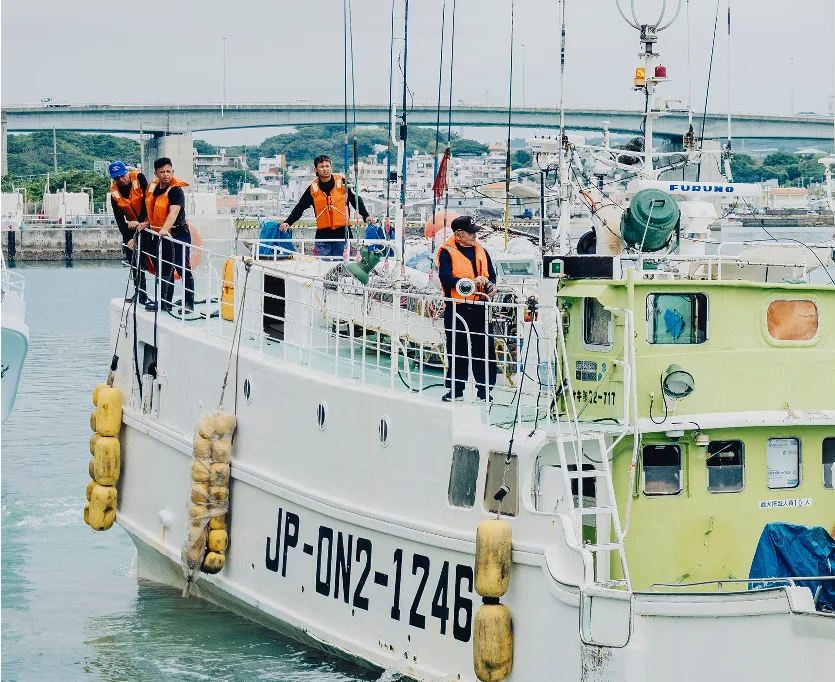
Today as always, Santaka's vessels continue their voyage.

Santaka's tuna fishing boats

THE STORY BEHINDthe BOAT.

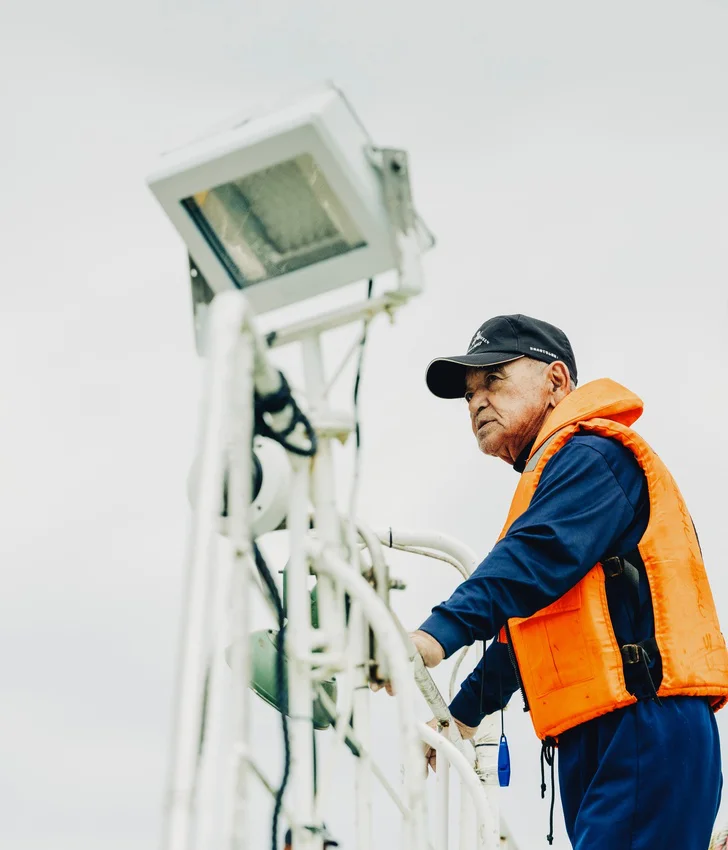
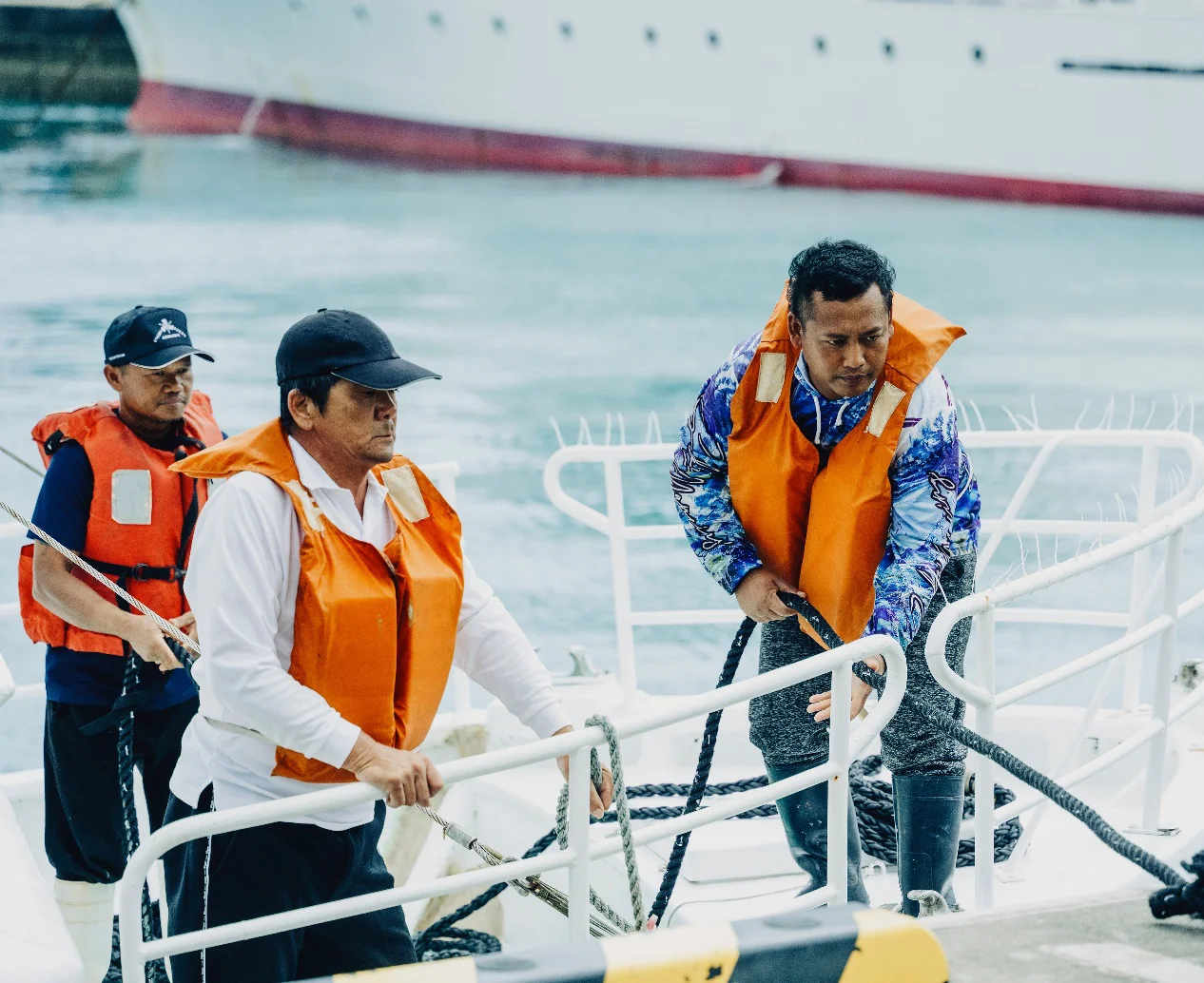
Santaka crew members working on board

The boats brought our dream

Santaka didn't start out as a tuna company. Our roots lie in boats. Coming from a long line of shipbuilders in Kochi, we crafted wooden vessels up until our grandfather's generation.

As times changed, demand shifted to FRP (fiberglass) boats, and 60 shipbuilding companies dwindled down to just one or two. We needed new waters. When our current chairman arrived in Okinawa at the forefront of sales, he found an island home to vessel owners and seasoned crews. This is where our journey began: selling boats, repairing boats, and living alongside them.

One day, an order for a boat was canceled. When we sailed that vessel all the way to Indonesia, a barter-like deal was struck, leading to orders for two more ships. Before we knew it, three of our vessels were cutting through southern seas.

This was the beginning of Santaka. Eventually, those boats began catching tuna. We shipped it to Japan on a handshake agreement. One dollar and fifty cents per kilo, anywhere from 40 to 400 tons. That was Santaka's very first handshake with tuna.

At our peak, we chartered cargo planes for seven years. Caught by boat, flown by air. Fixed overheads, fluctuating auction prices. Financially, we were always on the edge. Yet, we couldn't stop.

We built boats, we sold boats, and those boats led us to tuna. Santaka knows tuna more deeply than anyone. That is why we never give up.

This isn't just a story about fishing. It is a story of the sea, of people, and of an era.

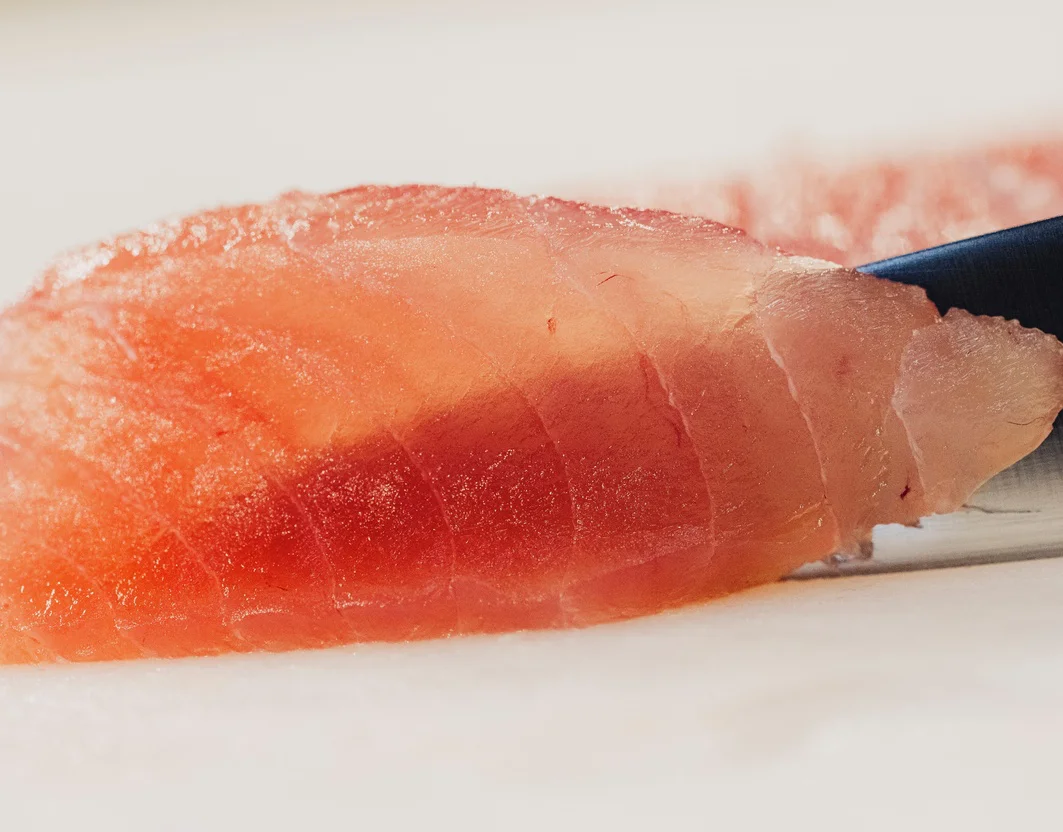
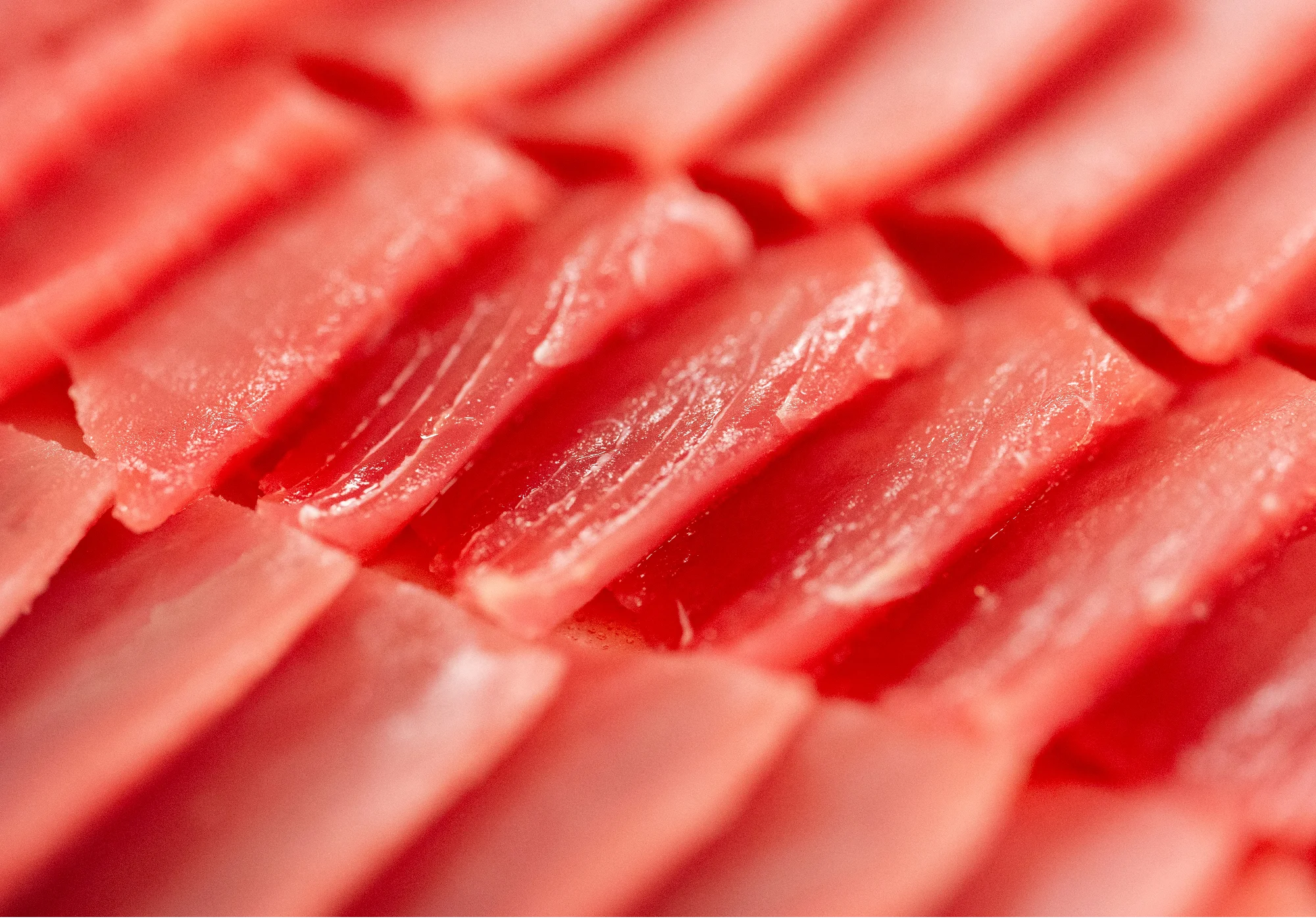
Freshly sliced, never-frozen wild tuna
Crew members working on a tuna fishing boat
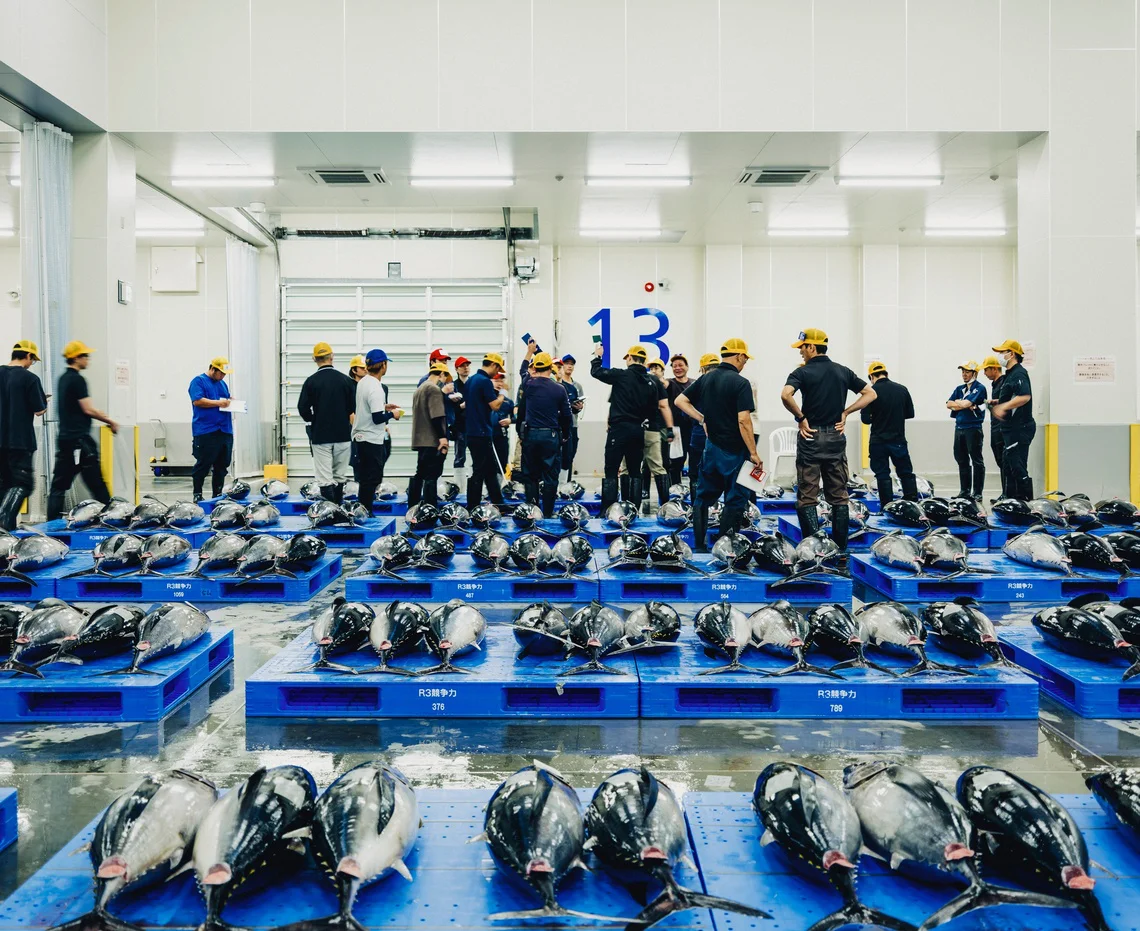
Freshly landed tuna lined up at the market

Captivating both palate and heart with itsmelt-in-your-mouth tenderness.What makes Santaka's tuna truly special.

Landed fresh and never frozen, Okinawa's lean tuna offers a wonderfully resilient, succulent texture with every bite.

The moment it touches your tongue, that remarkably tender, melt-in-your-mouth texture comes alive.

We know the difference.

That is why we buy more, and wholesale more, than anyone else.

This is the Sanko way—carrying the pride of Okinawa's fresh tuna.

One by one, from the southern seas

Line-caught tuna fishing in waters off Okinawa

Our fishing grounds lie in the southern waters off Okinawa, using longline and payao (fish aggregating device) pole-and-line fishing. Purse seine nets cannot be used in coral reef seas. That is why each fish is hauled up with minimal stress. This is the very first step in crafting the exquisite meat quality of Okinawa tuna.

Our workbegins right on the boat

Bleeding and nerve-hooking (ikejime) tuna on board

The few minutes right after the catch determine the flavor. Bleeding, nerve hooking, and immediate chilling. Completing this entire sequence on board is what allows us to transport Okinawa tuna ashore fresh, never frozen. It is not just fresh by chance—we engineer its freshness.

Finally, selected by eye

A wholesaler expertly inspecting tuna at the market

Freshness, color, luster, firmness, and fat content. In a single second, the broker's keen eye reads the future of each fish. We know without touching. We know without tasting. Only the fish that pass this discerning eye are wholesaled under the proud name of Sanko.

Santaka's Tuna

alwaysin SEASON.

Vibrant sashimi of fresh, wild tuna from Okinawa
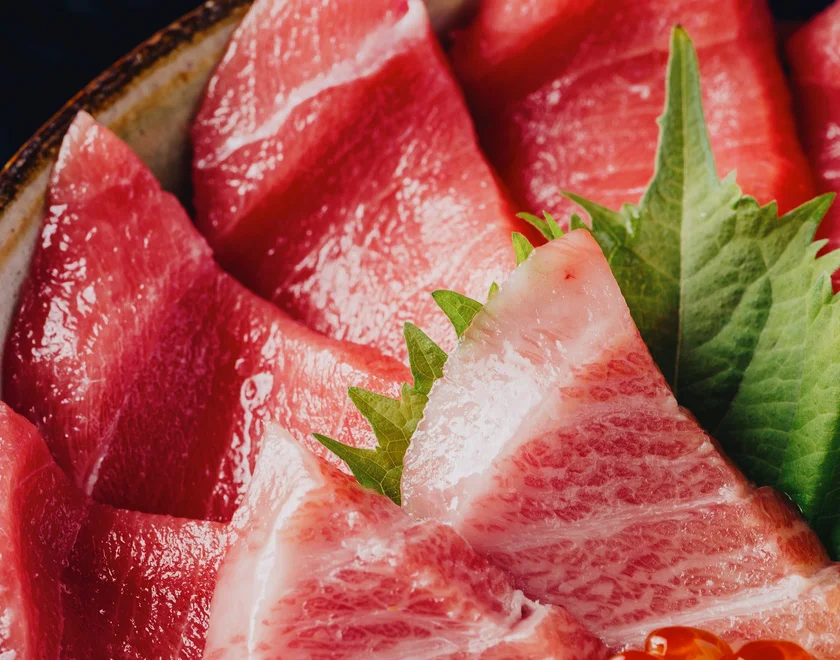
Rice bowl topped with fresh tuna and salmon roe

In season, all year round.Four distinct varieties.

Ryukyu Wild Tuna

Four types of tuna are landed in Okinawa's waters.

Each has its own season, and its own unique character.

One variety shines in one month, and another in the next.

That is why on this island, every single day is in peak season!

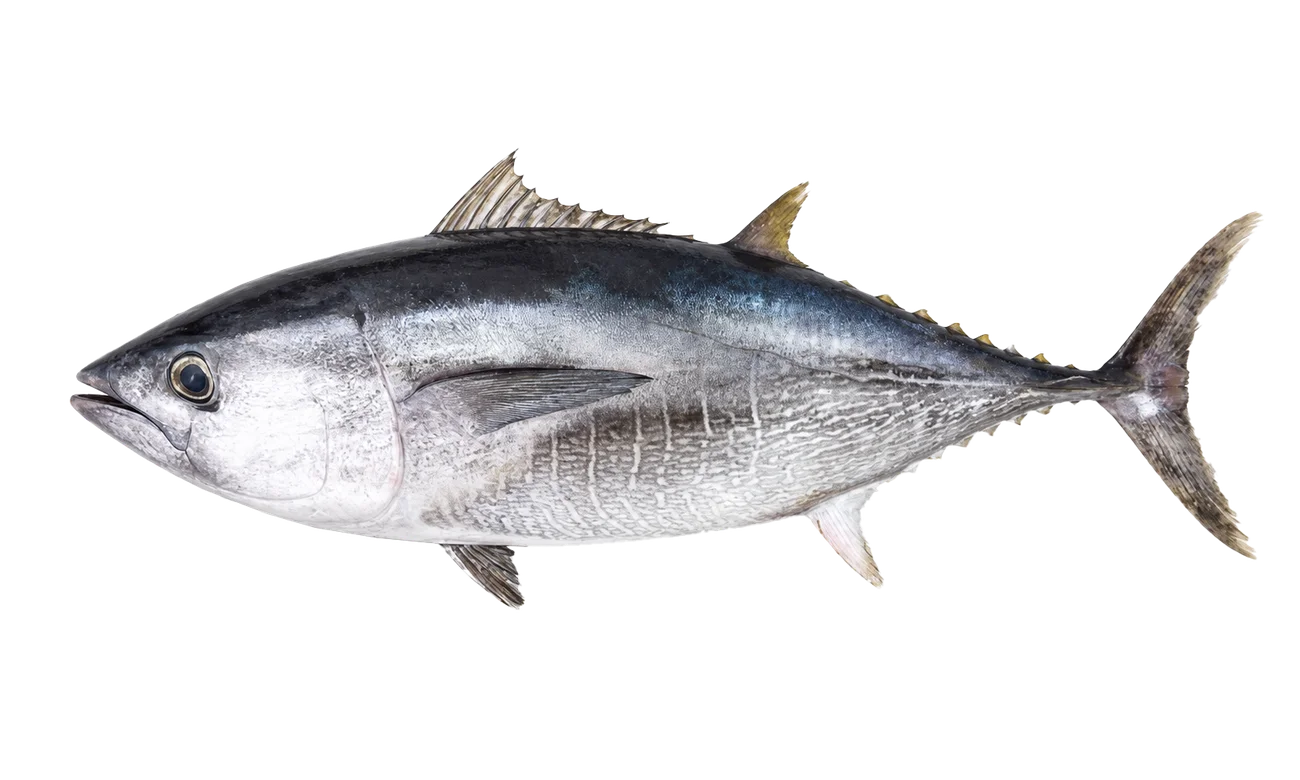
Bigeye Tuna

The star of Okinawa.

Bigeye Tuna

In season: Around August to the following March

A medium-sized tuna growing up to around 2.5 meters in total length.
Named "Mebachi" for its wide, round eyes.
Moderately fatty, it showcases the pure, rich umami of lean red meat.
This tender, springy red meat is the true heart of Okinawa tuna.
A medium-sized tuna growing up to around 2.5 meters in total length.
Named "Mebachi" for its wide, round eyes.
Moderately fatty, it showcases the pure, rich umami of lean red meat. This tender, springy red meat is the true heart of Okinawa tuna.

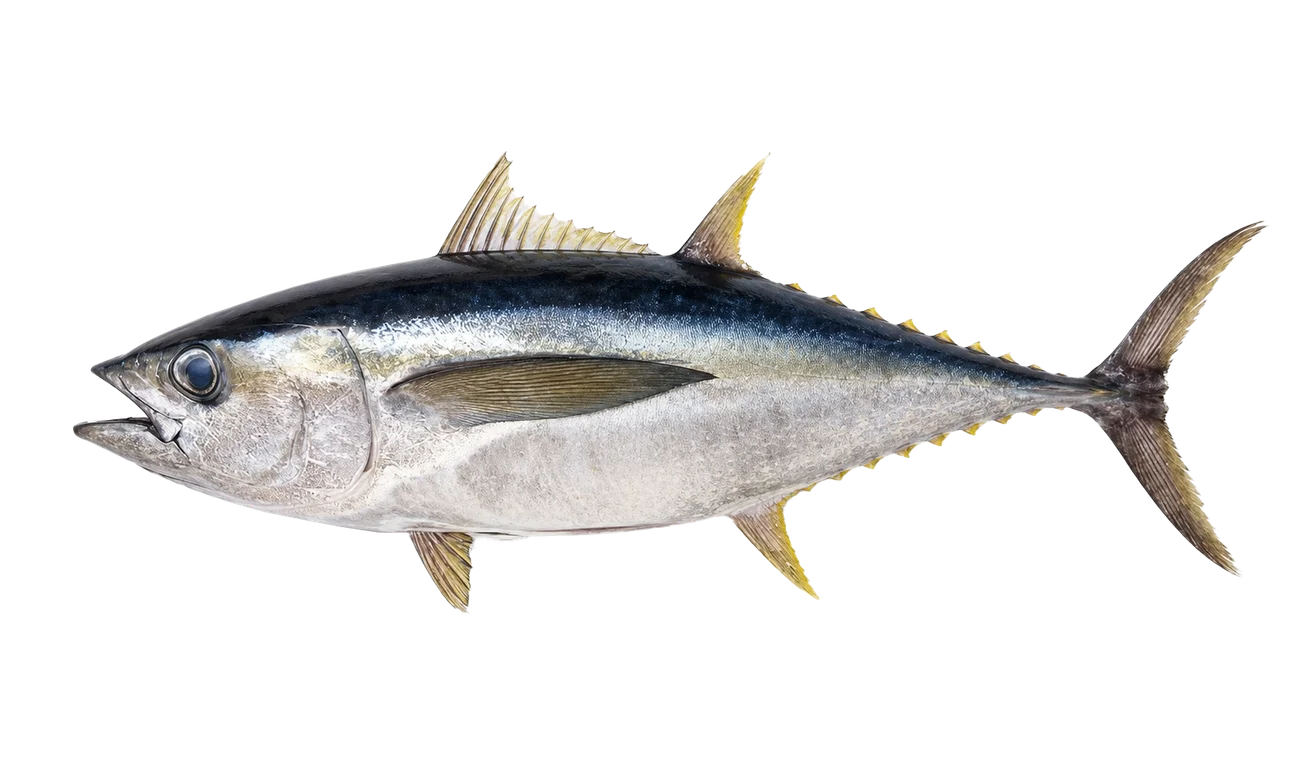
Yellowfin Tuna

A light ocean breeze.

Yellowfin Tuna

In season: Around April to August

Grows to over 2 meters in length and over 200 kg in weight.
Known as "Kihada" (yellow skin) as its fins turn golden yellow as it grows.
Its red meat offers an even lighter, cleaner palate than Bigeye tuna.
Sashimi, grilled, fried, or carpaccio. Wonderfully versatile, it pairs beautifully with Western dishes too.
Grows to over 2 meters in length and over 200 kg in weight.
Known as "Kihada" (yellow skin) as its fins turn golden yellow as it grows. Its red meat offers an even lighter, cleaner palate than Bigeye tuna. Sashimi, grilled, fried, or carpaccio. Wonderfully versatile, it pairs beautifully with Western dishes too.

Albacore Tuna

A light ocean breeze.

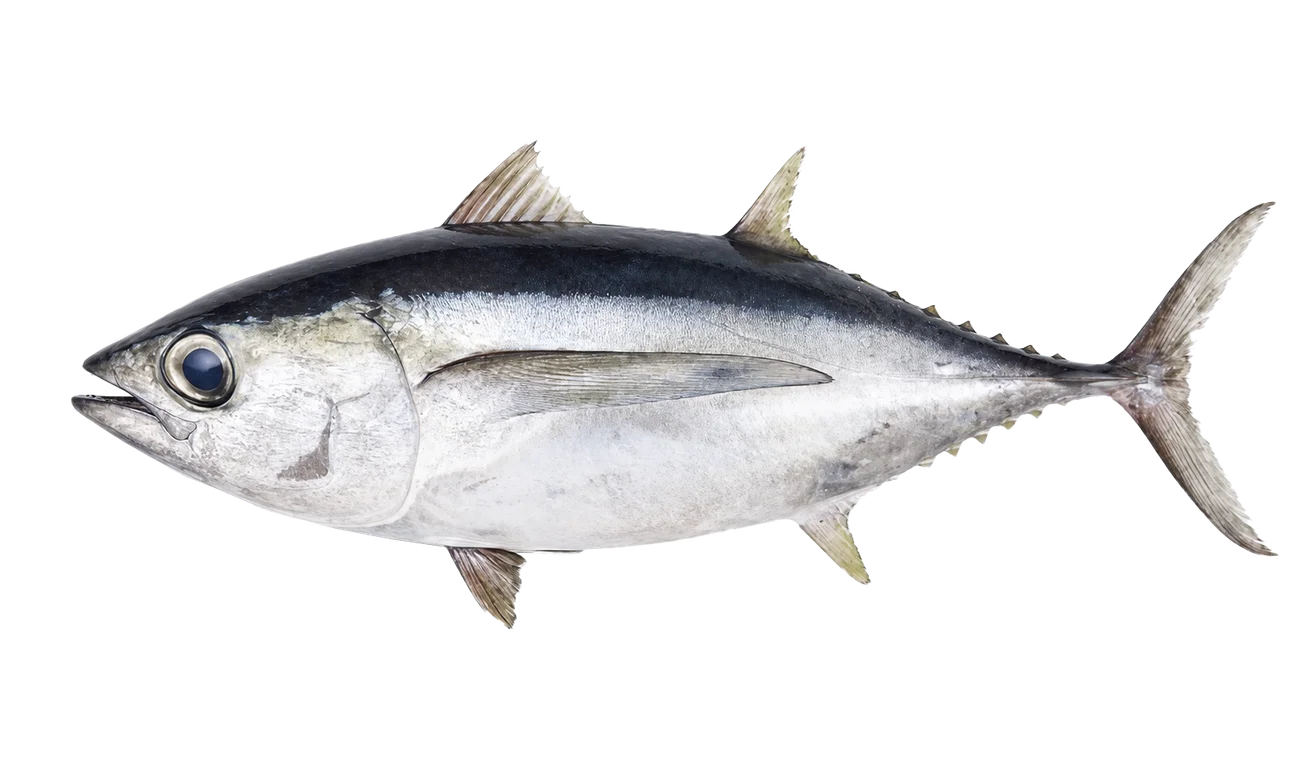
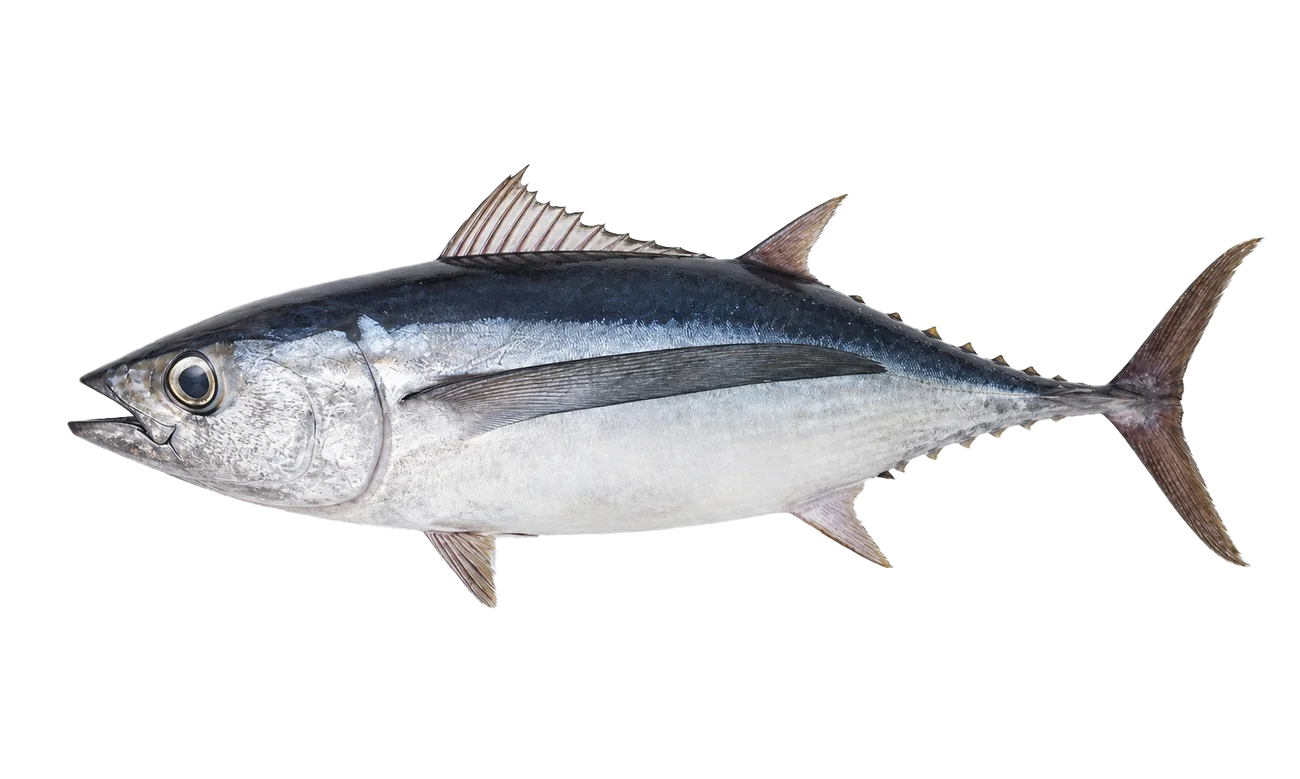
Albacore Tuna

In season: Around November to the following April

A smaller tuna measuring around 1 meter in length.
With its long pectoral fins spread out, it resembles a dragonfly ("tombo").
Mild, clean-tasting, and highly versatile for processing. The all-rounder of Okinawa tuna.
A smaller tuna measuring around 1 meter in length. With its long pectoral fins spread out, it resembles a dragonfly ("tombo"). Mild, clean-tasting, and highly versatile for processing. The all-rounder of Okinawa tuna.

Pacific Bluefin Tuna

The undeniable king.

Pacific Bluefin Tuna (Hon-maguro)

In season: Around April to June

Reaching up to 4 meters in length and over 600 kg in weight.
Known as the "black diamond," it is truly the king of tuna.
Its true distinction lies in its rich, marbled fat.
While the defining harmony of Okinawa tuna is the firm spring of red meat,
Bluefin stands apart in a class of its own, playing a magnificent melody of its own.
Reaching up to 4 meters in length and over 600 kg in weight.
Known as the "black diamond," it is truly the king of tuna.
Its true distinction lies in its rich, marbled fat. While the defining harmony of Okinawa tuna is the firm spring of red meat, Bluefin stands apart in a class of its own, playing a magnificent melody of its own.